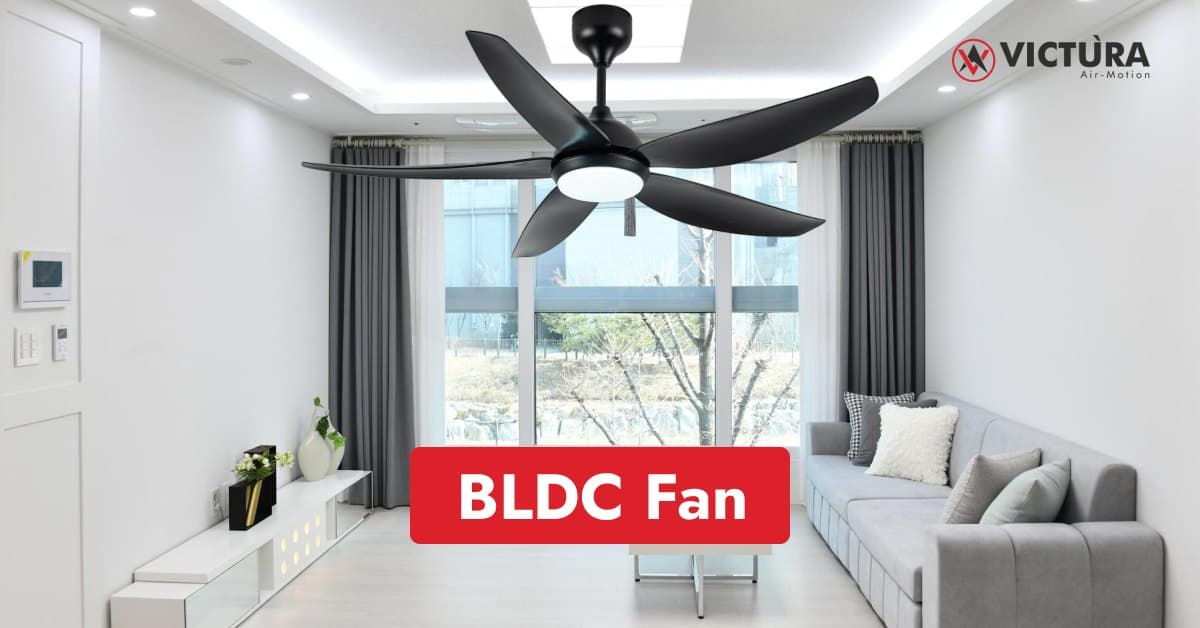
With aerodynamic blade shaping, 5 blade ceiling fans aim to balance airflow efficiency with reduced resistance and lower noise levels.
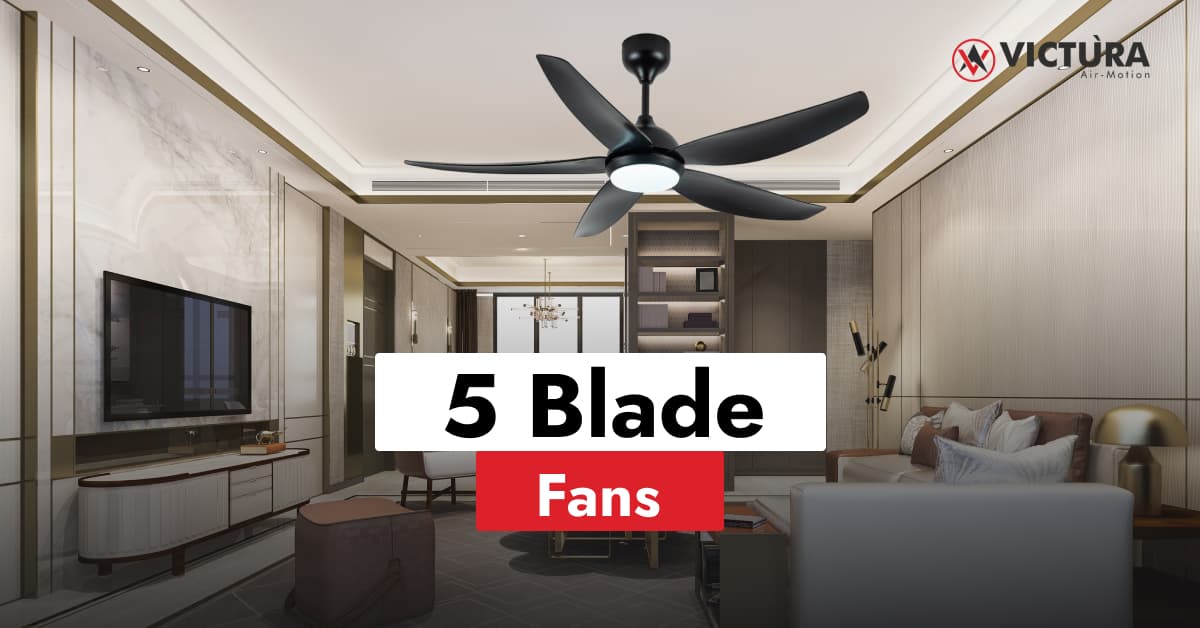
Have you ever used a 5 blade fan before? In case you haven’t, you should know it might be a summer essential, especially in India. A 5 blade ceiling fan can do the highest speed settings with the least amount of noise. The summer heat can take a toll on your body, so you need to prepare with this not-so-secret weapon: five blade ceiling fan.
Today, you get comfort and class with these 5 blade fans. No noise and more breeze, who doesn’t want that? Now, there are many fans in the market today, so don’t get confused.
Think of a 5-blade fan as the full music band of your ceiling. It cools noiselessly. While fewer blades might move air faster and save power, five blades find a great mix of cool, low noise, and nice design.
Here's why many who own homes and those who design them are picking 5-blade fans:
Whether you're setting up a fan in your sleep space, living area, or work spot, a 5-blade type gives a good blend of form and function.
Have you ever tried to sleep while a noisy ceiling fan makes sounds in the room? If it clicks, hums, or buzzes like a far-off plane, you know you need it to be quiet. But what makes a fan truly silent?
The secret is all about the motor tech, how the blades are made, and the quality of the materials.
So, the next time a brand says its fan works "quietly," see what's inside. Silence is not just a bonus; it shows smart design.
It's a fair question: If 5-blade fans are so great, why not 6 or more? Or why not go the other way and reduce blade count for speed?
Let’s break it down:
| Blade Count | Performance Summary | Speed (RPM) | Noise | Airflow (CMM) |
| Bladeless | Modern and stylish, but relies on motorized air jets | 1200–1500 | Low | 150–200 |
| 1 Blade | Highly inefficient and unstable | ~500 | High | Low (~50–70) |
| 2 Blades | Slightly better, but still lacks balance | 300–400 | Medium-High | ~120–160 |
| 3 Blades | Standard in most households | 350–400 | Moderate | 200–240 |
| 4 Blades | More balanced airflow, slightly quieter | 320–380 | Low-Moderate | 230–250 |
| 5 Blades | Optimized for quiet, stable, and stylish performance | 310–390 | Very Low | 240–275 |
What’s the Verdict?
While three blades may be enough for the average user, five blades elevate the comfort, reduce the noise, and enhance aesthetics, making them the clear winner. Keep in mind the ceiling fan blade length, ceiling height, lighting, and other control options like remote or modes.
If your fan is rattling, wobbling, or just… not performing, it’s time for an upgrade. A 5-blade ceiling fan isn’t just a luxury anymore—it’s a necessity in modern homes where comfort, silence, and energy savings matter.
The Aeroflow 5-blade ceiling fan by Victura Airmotion features a smart blade design focused on balanced airflow and reduced operating noise, with an emphasis on energy-efficient performance.
So go ahead—turn up the breeze, turn down the bills, and enjoy the quiet hum of good design.
The main focus of 5 blade fans is its high speed and noise reduction features. So, if that’s what you’re looking for you should totally get a 5 blade fan, otherwise a 3 or 4 blade one works.
5 blade fans will definitely give you better air flow, delivery and circulation than a 3 blade one. But if high speed is not that important to you, you can just go for a 3 blade fan for cost efficiency.
4 blade fans are way better than 3 blade fan in terms of speed but slightly behind 5 blade fans.
Depends on what you need: 3 blade fan will cost you less, 4 blade fans will give you higher speed, and 5 blade fan will give you less noise.
Bladeless fans are really good. They are often energy-saving, quiet, and easy to maintain. It’s cost might be a downside if you’re on a budget.
The more number of blades a fan has the quieter it performs. But fewer blades give better airflow.
Keep moving with bright ideas. From the way air moves to clever home hints, our blog is your place to dive into ease, style, and smart energy use.