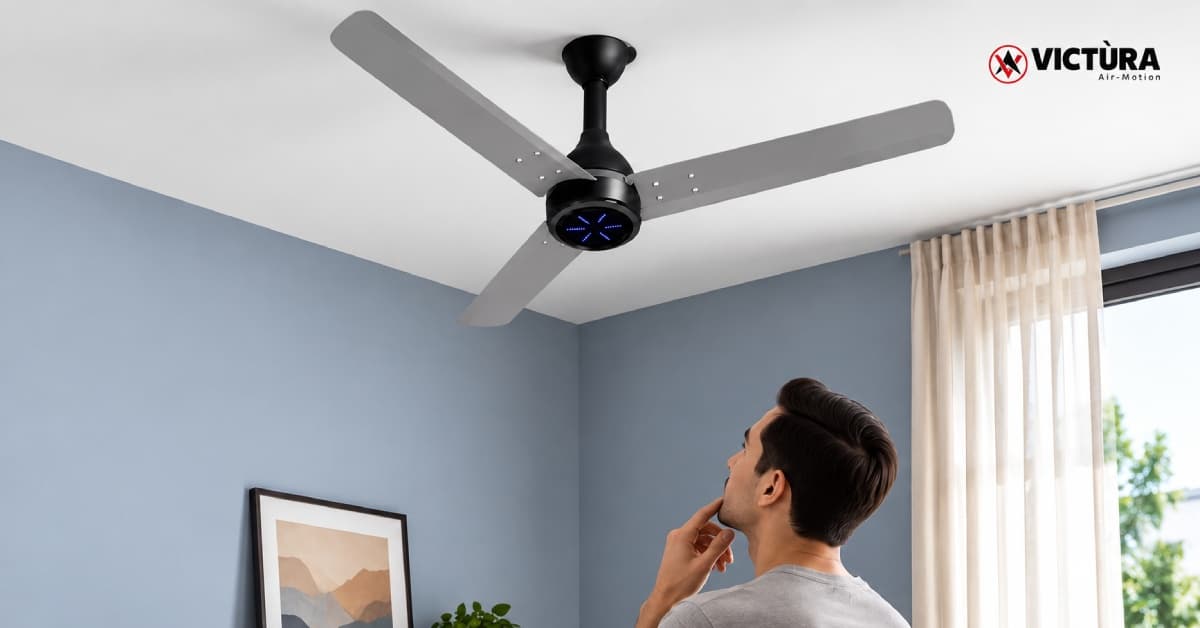
Explore the 6 steps of the ceiling fan winding machine process, from stator preparation and insulation to copper wire winding, coil placement and final testing.
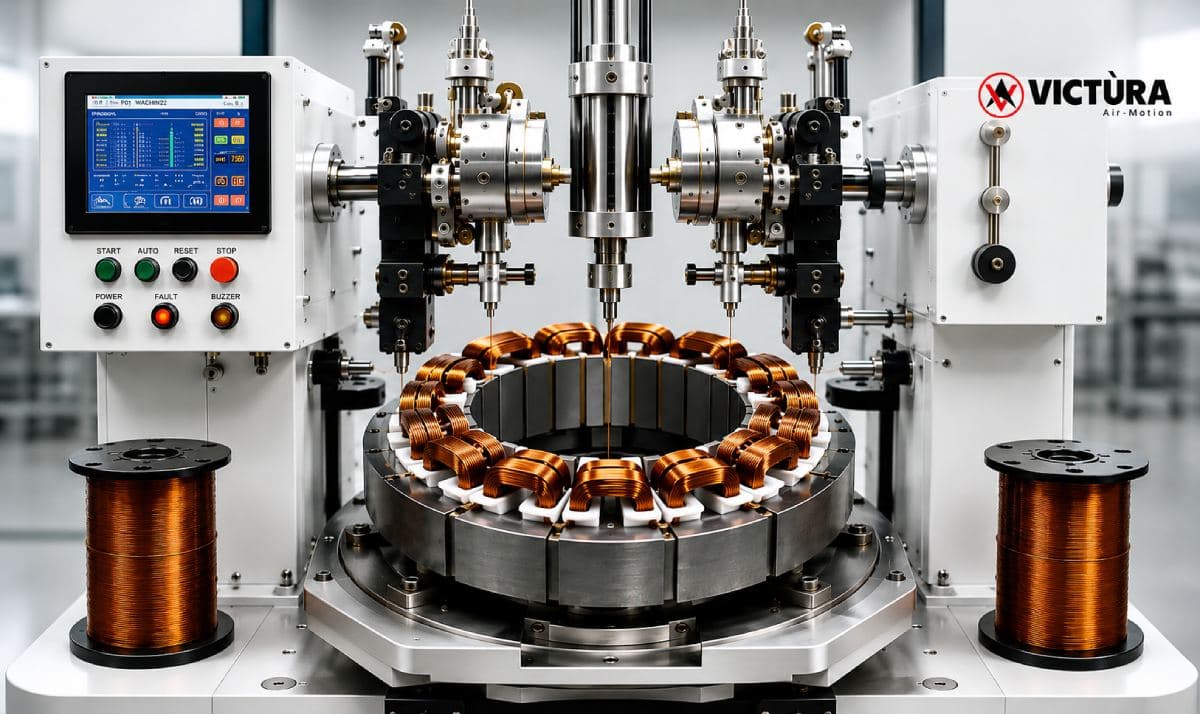
A modern ceiling fan winding machine has replaced most manual work, not just for speed, but for consistency. The process of creating coils requires workers to follow a specific sequence, which includes handling copper wire, building insulation and working on coil production.
The winding procedure serves as the core element because it operates through a controlled sequence, which enables assessment of fan performance throughout its operational lifespan.
The ceiling fan winding machine process consists of six essential steps which transform raw materials into a motor that can be assembled.
The winding process starts with the stator core because it serves as the permanent iron structure that contains the copper windings. The cores are constructed from multiple layers of thin steel sheets which builders assemble into their final form. The lamination design reduces energy loss and heat buildup during operation.
The stator must complete the following procedures before it operates with the winding machine.
The preparation process holds greater significance than its current appearance. The slightest burr, together with a single uneven slot, will result in insulation damage during the winding process which subsequently causes motor overheating and catastrophic failure. The machine needs a specific core because its accuracy depends entirely on that core.
The slot insulation process begins after the stator has been completed. The stator slots receive thin insulating sheets that manufacturers produce from polyester film, pressboard and composite insulation paper.
Modern winding machines often integrate this step automatically. The insulation functions as a protective barrier that stops electrical leakage between the copper wire and the steel core and prevents short circuits.
At this stage, precision is critical:
A well-insulated stator is the foundation of a long-lasting ceiling fan motor.
The core element of the entire operation establishes the main focus of the work process. The ceiling fan winding machine receives its stator installation through a system that operates according to predetermined specifications, which include wire gauge, number of turns, coil pattern, and tension requirements.
The machine operation begins with the feeding of enamel-coated copper wire, which moves through tensioners and guides without any interruptions. The winding head creates multiple turn placements while maintaining complete control over the winding process which leads to perfect placement of each turn into the stator slots.
The machine controls essential components, which include:
Every motor produced through this automation system exhibits identical performance characteristics, which include constant speed operations, reduced noise levels and expected power usage.
The machine uses winding operations to create stator coils which it builds inside the stator slots. Ceiling fan motors often require multiple coil groups arranged symmetrically to maintain balance during rotation.
The machine ensures the system:
The technical step establishes how smoothly the fan will operate. The system creates a better operational state when its internal components are layered correctly. A well-layered stator, on the other hand, keeps the motor stable even at lower speeds.
The process for securing loose coils begins after the winding process finishes. The system requires either an integrated module or a semi-automatic station, depending on its specific configuration.
The coils are:
The winding machine prepares the windings for varnish dipping or vacuum impregnation which will take place outside the machine. The coils achieve rigidity after impregnation and curing, which enhances their insulation strength, vibration resistance and heat dissipation capabilities.
The stator needs to pass through its testing process before leaving the winding line. Machines and operators work together here.
Common checks include:
Only stators that meet all specifications move forward to motor assembly. The fan reaches its final stage, which transforms precise performance into dependable operation for quiet, energy-efficient and safe home use.
The Winding Machine Process holds great importance because it serves as the foundation for all machine operations. The ceiling fan motor operates through complex engineering that transforms its simple exterior into an advanced mechanical system.
The winding machine process provides:
The six operational steps determine whether a fan will become a lasting home appliance or an item that breaks down after brief use which has become essential in today's market because efficiency and product longevity have reached critical importance.
The factory ceiling fan winding machine process takes place in hidden areas of the factory, yet it produces three main benefits which include continuous airflow, silent operation, and durable performance throughout time.
The entire procedure, which begins with stator preparation and ends with final testing, creates motor performance results that determine efficiency outcomes.
The motor system achieves its most efficient performance when all steps receive precise execution and consistent application, because it results in decreased power consumption, lower operating temperatures and extended product lifespan.
So, transform a basic ceiling fan into a reliable device that provides comfort and energy efficiency for multiple years of daily use with Victura Airmotion.
The ceiling fan winding machine automatically produces enamel-coated copper wire winds that cover the stator slots by using operator-defined settings that include wire diameter and tension specifications and turning count requirements.
The lifespan of a ceiling fan winding depends on power conditions, insulation quality and usage because a well-made ceiling fan winding lasts between 10 and 15 years.
Most ceiling fans use multiple coil windings that stators arrange in symmetrical patterns which typically contain 12 to 24 slots according to the motor design specifications.
Resistance and continuity tests with a multimeter help check fan windings because insulation testing detects short circuits and breakdowns in the system.
The right machine depends on motor size, production volume, automation level, winding accuracy, and compatibility with different stator designs.
Ceiling fan winding prices depend on copper market value, motor dimensions and labor expenses while machine-wound motors deliver better consistency and long-term value than manual winding methods.
Keep moving with bright ideas. From the way air moves to clever home hints, our blog is your place to dive into ease, style, and smart energy use.