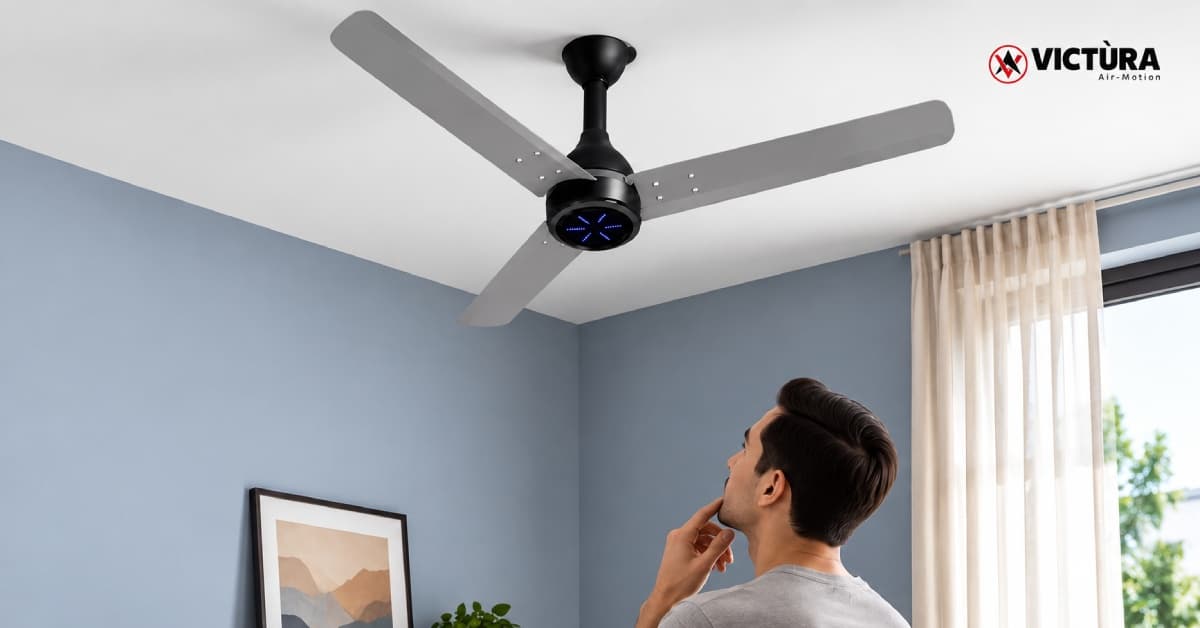
Inclusion of a ceiling fan ensures constant and consistent air movement, which in turn makes the room feel comfortable even at higher settings of the thermostat, without the suddenness of cold air.
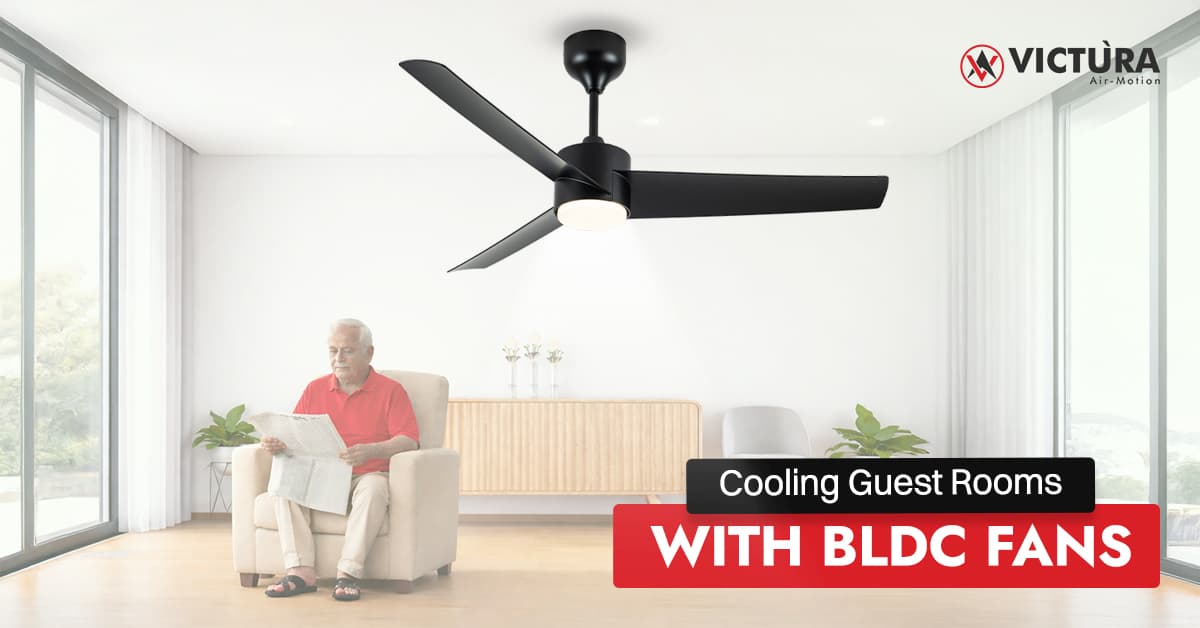
A properly ventilated guest room catches the attention fast. A calm, steady comfort that lets the space breathe. That quiet sense of ease is what guests remember long after check-out. It’s also where cooling plays a surprisingly important role: especially in hotels, serviced apartments, resorts, and premium homestays.
Cooling, when done right, should never announce itself. It should simply exist, supporting sleep, relaxation, and a feeling of being cared for. This is where BLDC fans fit naturally into modern guest room design, offering subtle cooling that enhances comfort without stealing attention.
Here are some practical, experience-backed tips for subtle guest room cooling.
A guest room isn’t just a place to sleep. It’s a pause between journeys. A refuge after long meetings. A quiet reset after travel fatigue.
Guests may not consciously analyze airflow or fan speed, but their bodies do.
Ceiling fans, when engineered thoughtfully, become the most invisible yet impactful layer.
A slow, balanced airflow:
In guest rooms, especially during the night, this matters more than raw cooling capacity. Guests don’t want to wake up adjusting controls. They want the room to simply feel right.
That’s why ceiling fans, once considered secondary, are now central to guest room comfort strategies.
Guest rooms today follow a refined aesthetic: minimal, warm, intentional. Every element is chosen carefully, from lighting temperature to fabric textures. Cooling should blend into this narrative, not disrupt it.
BLDC fans are designed to:
The fan doesn’t become the focal point of the room. Instead, it quietly supports the experience, just like good hospitality should.
When guests don’t notice the fan, but sleep better because of it, the design has done its job.
BLDC technology allows fans to:
For properties running fans for long hours daily, this translates into measurable savings without sacrificing guest experience.
BLDC fans offer flexibility that adapts to these preferences:
This empowers guests to fine-tune their environment without complexity. No confusing panels. No disruptive adjustments. Just simple control over comfort.
Related Article: BLDC Technology Fan Benefits Beyond Energy Savings
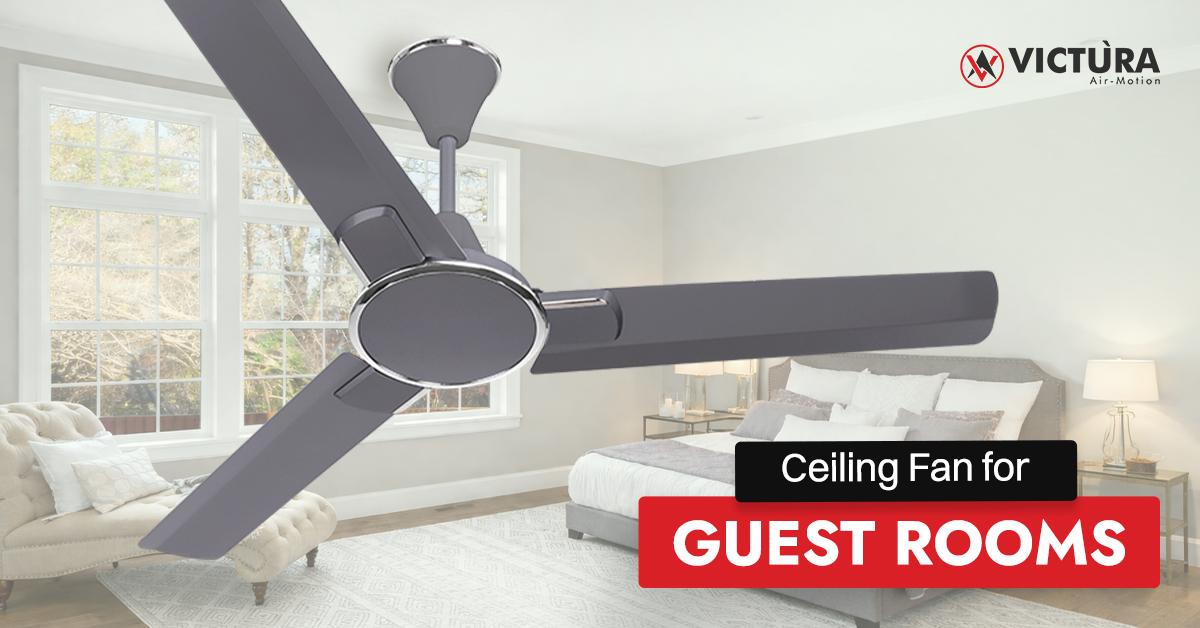
The majority of the guest rooms do not measure up in terms of comfort, not because the rooms are warm but due to the fact that the air is still. Soft air movement helps a person cool down naturally and also prevents the area from being felt as if it were suffocating.
Inclusion of a ceiling fan ensures constant and consistent air movement, which in turn makes the room feel comfortable even at higher settings of the thermostat, without the suddenness of cold air.
Using only air-conditioning for cooling purposes usually results in unbalanced cooling of the room and dry air.
Layered cooling is a method that works better: air that has been cooled by an air conditioner is set to a specific temperature and a ceiling fan is employed to uniformly distribute that cool air throughout the room.
Therefore, the room comes along with less extreme, more nature-like cooling that the guests can stand for a longer time.
Cooling should not in any way interfere with sleep. The noisy machines, the rattling fans, and the sudden flow of air can all disturb even the lightest sleepers.
Increase the use of quiet and well-balanced ceiling fans and also avoid putting the cooling units right above the bed. Cooling that is silent is undetectable by the guests; they sleep more deeply and then rise feeling rejuvenated.
A cold room can be as unpleasant as a hot one. Overcooling makes it a common practice among the guests to turn the system on and off during the night.
The better option is to create a comfort zone with moderate temperatures and to support it with gentler airflow. It’s a matter of consistency over intensity.
Different guests have different individual comfort zones. User-friendly regulating systems for fan speed and cooling let guests adjust the atmosphere according to their preferences. When the changes mean no trouble at all, the guests come in sooner and feel more comfortable in the room.
Air circulation in a room is greatly influenced by curtains, furniture position, and ceiling height. Make it a point that the airflow doesn't get obstructed by bulky curtains or tall closets.
The air circulation that is clear and uninterrupted helps cooling systems work efficiently and prevents an area of just one corner of the room from being kept cool.
Cooling a guest room means providing sustained comfort: during the night, across seasons, and for different types of guests. Systems that support steady airflow and energy efficiency create a more dependable experience, one that guests associate with quality and care.
The subtlety of BLDC fans is the new luxury for guest rooms. Why? Because it’s thoughtful. It brings ease and comfort; exactly how you’d want your guests to feel. When airflow is quiet, efficient, and beautifully integrated, it elevates the entire stay.
Guests may not remember the brand of the fan in their room. But they remember how well they slept. How refreshed they felt in the morning. How the room felt calm rather than clinical.
And subtle cooling plays a silent role in all of this.
So, if you want subtle cooling in your guest room, get Victura Airmotion BLDC fans.
Usually, for most guest bedrooms that are no bigger than 120 sq. ft., a ceiling fan with a diameter of 48 inches is the right one. A 52-inch fan is going to be a better choice for larger rooms of 120–200 sq ft. since it will provide even airflow without a draft forming.
Sure! Ceiling fans are permitted in hotels and other guest rooms since they are known to provide excellent air circulation, sleep comfort enhancement, and thereby reduced air-conditioning use.
Not if they are properly made. The innovative BLDC ceiling fans are super quiet and thus can be installed in bedrooms where silence and undisturbed sleep are of utmost importance.
Absolutely! The air conditioner can be set at a comfortable temperature and still provide cooling because of the even distribution of the cooling air through the ceiling fan and air conditioning unit.
Certainly! Besides other benefits, energy-efficient fans will cut down electricity expenditure, be in line with sustainability targets, and help reduce operational costs especially in areas where fans are used for long hours daily.
Keep moving with bright ideas. From the way air moves to clever home hints, our blog is your place to dive into ease, style, and smart energy use.