Proper ventilation can get rid of food smells, bring back the temperature, and, what is even more important, it can maintain the humidity level at 30% to 50% (the range that is considered healthy).
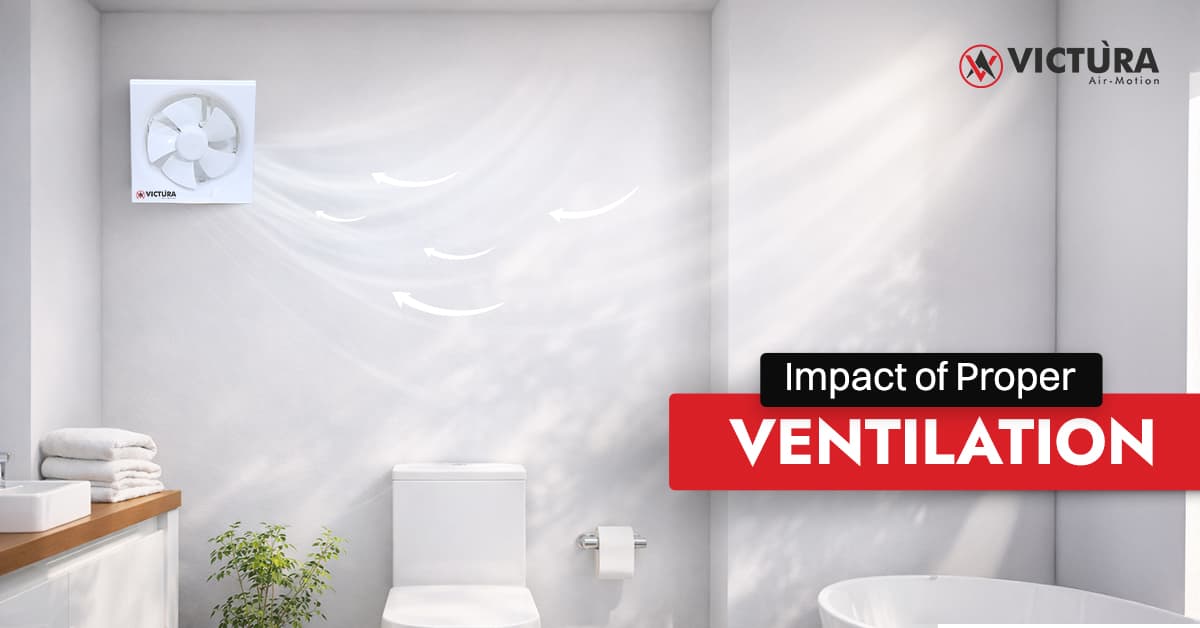
People survive 30 days without eating, yet only three without drinking but zero chance past a few minutes if there’s no fresh air around.
Here’s a weird truth: most people stay inside nearly all day. On top of that, the Environmental Protection Agency (EPA) in the US says indoor air might be two to five times dirtier than what's out on the streets.
New homes today stay sealed tight to cut energy use: great for warmth, yet it traps dirt inside. So instead, we end up sucking in gunk, dampness, or old air on repeat.
The positive aspect is that the proper ventilation fan is the easiest, most efficient way to regain control over your air quality today.
Before we deal with the threats, it is necessary to have a clear understanding of the metric with which the threat is measured: Indoor Air Quality (IAQ).
IAQ refers to the quality of the air that people breathe inside a certain building. Health-wise, it's determined by three main factors which are all under the control of ventilation:
When temperature and humidity are kept in balance, people feel better and bugs or mold do not spread that much, thus the safety level is raised without additional work.
If your countertop’s cluttered, you notice right away; when the tap drips, that’s obvious too. But bad air? Usually you can’t see it at all, so you won’t know till something feels off.
Influence on Health
The use of good IAQ practices is one of the main conditions for a healthy respiratory and immune system. In the case of clean air, the body doesn't have to put extra effort into filtering the irritants.
Influence on Comfort
The level of IAQ decides the way your home feels.
Proper ventilation can get rid of food smells, bring back the temperature, and, what is even more important, it can maintain the humidity level at 30% to 50% (the range that is considered healthy). Air that is either too humid or too dry may cause discomfort and, in some cases, health problems as well.
Influence on Building Integrity
Using ventilation to fight against humidity is the first step towards getting rid of the issues of mold, mildew and the rotting of the structure that may follow if left unattended, which are not only expensive but also non-obvious.
An appropriate ventilation system in a house should not be very complicated to understand.
The main objective is to have a system in place that will constantly supply fresh air with low contaminant levels and at the same time, remove the excess moisture from the inside air, thus providing good quality air that is clean, fresh, and supports our health.
Related Article: Top 5 Places in Your Home That Need a Ventilation Fan
When your body is constantly fighting to get rid of these harmful substances, it wears down. Poor ventilation is the reason why your life gets affected directly and in most cases, the symptoms are not what you expect.
Respiratory Issues
The presence of a large number of mold spores, dust mites, and pet dander may flare up asthma and allergy conditions that have already been there. In case you do not have these problems, chronic exposure to these pollutants can make you sensitive.
Short-Term Symptoms
Got frequent headaches while chilling at home? Eyes feeling itchy, throat getting parched? Feeling woozy without knowing why? These issues pop up when indoor air goes bad, often because of rising levels of nasty carbon-based chemicals.
Cognitive Function
Researches indicate that when Carbon Dioxide (CO₂) levels are elevated, the ability to concentrate and the overall efficiency are greatly reduced. That feeling of being slow both at your home office and in the classroom might not be your work but the air that you are breathing.
A ventilation fan works just as well as long as you take care of it. Yet when gunk builds up, air can't move freely, slowing down how fast it removes steam or dirty particles. So follow a few basic tactics to keep it running strong
Vents and Dampers: Now and then, look at the outside vent caps. Clear away leaves or nests that might clog them.
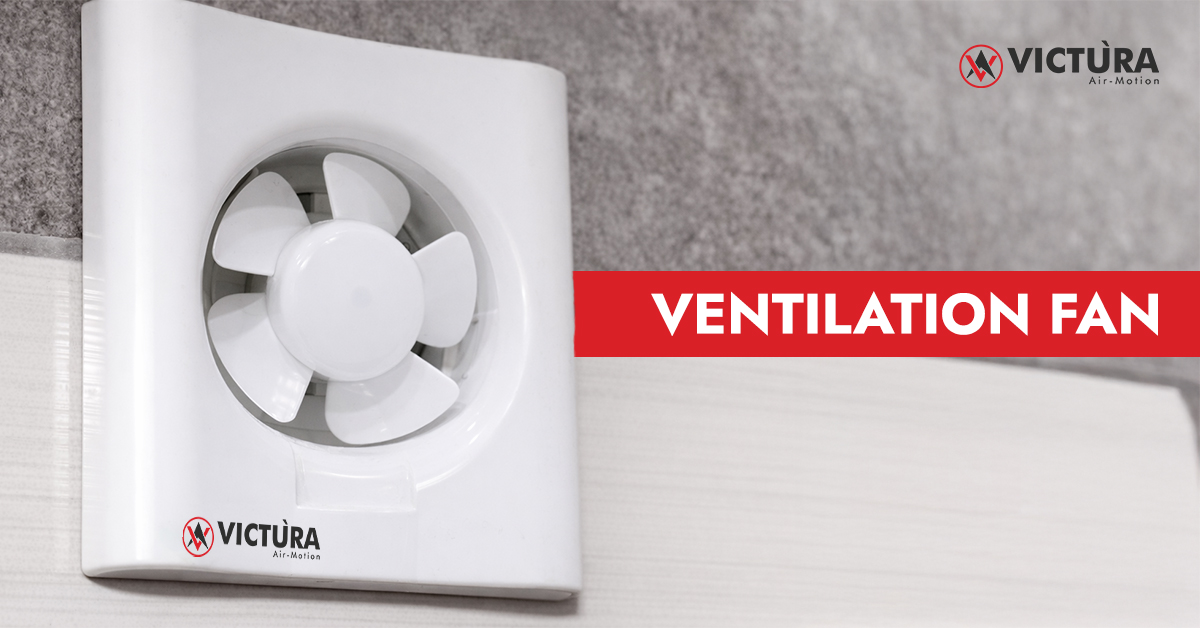
With the right ventilation, the air that is usually the main source of hidden danger in your house, can be turned into a source of life-giving energy.
Upgrading your home with proper ventilation is not only the way to a better home—it is definitely a vital investment in your family's health over time and the retention of your greatest asset.
Do not make any sacrifices regarding the air you breathe. You are entitled to breathe air that is beneficial to your health, not harmful. Find out about Victura Airmotion’s best-rated Ventilation and Exhaust Fans!
Indoor Air Quality tells you if the inside air seems fresh, how regularly it gets replaced by outdoor air, while keeping heat and humidity in check.
Airflow plays a key role in cleaning indoor spaces by swapping old, dirty air with new outside air. Because of this exchange, contaminants get weakened or carried out—alongside smells, warmth, and dampness.
Good airflow really boosts indoor air quality, cutting down stuff like VOCs or CO₂ while also stopping mold from spreading.
A well-ventilated house brings many perks: like easier breathing thanks to less dust and irritants inside, sharper thinking and more energy, balanced dampness levels so walls don’t get soggy, also it clears out stale smells fast.
(1) People stay in better shape when fewer irritants hang around. (2) Moisture gets managed so mold doesn't spread. (3) Comfort goes up once heat and odors are removed. (4) Breathing improves with less CO₂ and fewer fumes floating inside. (5) Structures hold up longer since materials aren't exposed to damage.
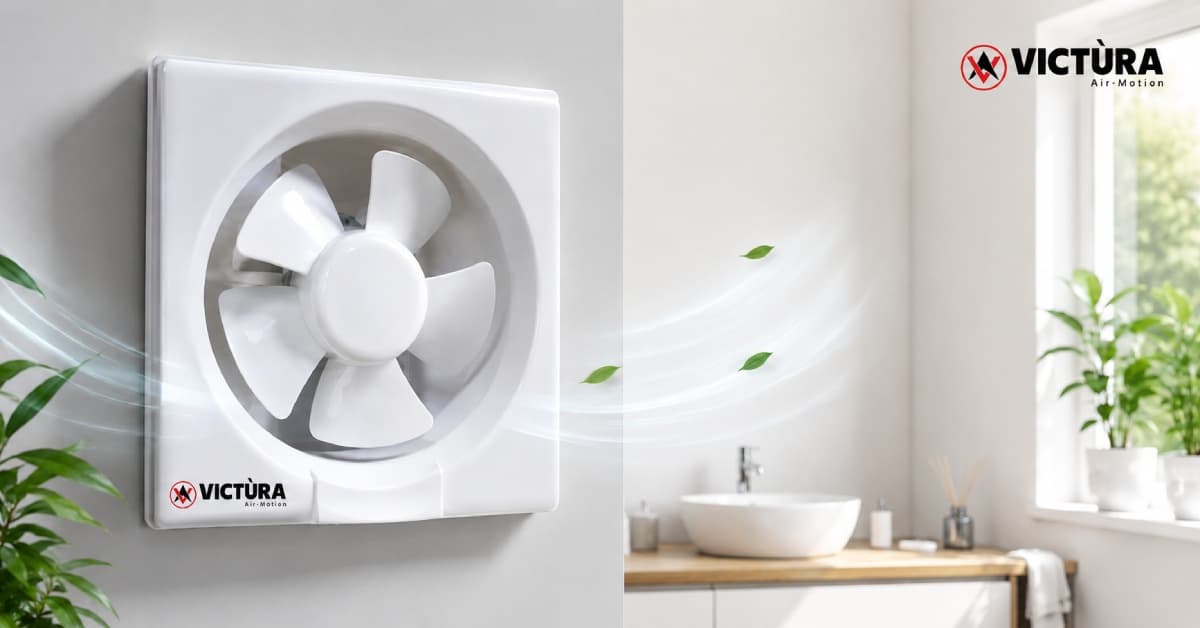
Proper ventilation, such as what you get from installed exhaust units, pushes humid air outside quickly — keeping wetness from hanging around post-shower or while cooking greasy meals.
Keep moving with bright ideas. From the way air moves to clever home hints, our blog is your place to dive into ease, style, and smart energy use.



-1770294213986-464560530.jpeg&w=2048&q=75)