Discover 7 signs your home needs better ventilation, from stuffy rooms and lingering odours to condensation, dampness and mould.
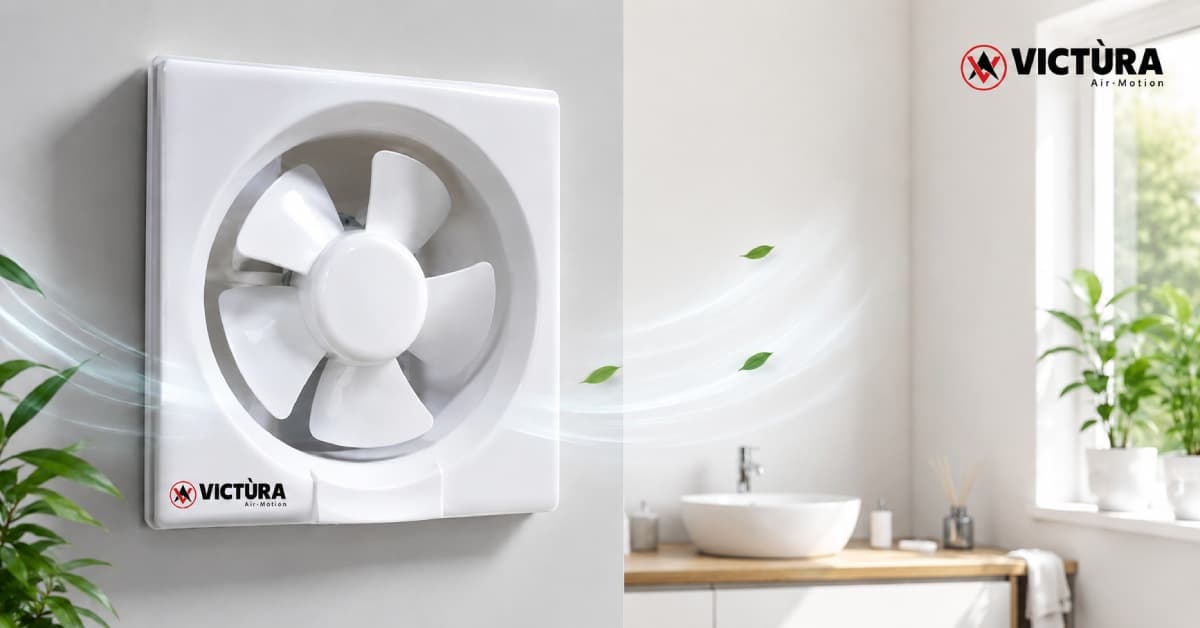
A ventilation fan keeps a house feeling pleasant and goes beyond couches, lamps, or thermostat settings. Inside air quality matters just as much when it comes to daily well-being. Without proper airflow, stuffiness builds up: humidity lingers, smells stick around, surfaces grow damp.
Over time, that dampness invites mildew, maybe worse. People often overlook such slow changes until things get out of hand. Catching hints sooner allows manageable fixes instead of later struggles. Problems rarely shout at first; they whisper through stuffy corners and foggy windows.
The blog will examine the main indicators that show your house requires improved ventilation systems and explain why better airflow should be established.
A house needs to provide its residents with fresh air, breathable space, and comfortable living conditions. The indoor air quality of several homes especially deteriorates in their kitchen, bathroom, utility room and enclosed bedroom spaces.
Your home operates as a room which becomes enclosed after people complete their cooking, showering, laundry drying and everyday activities. Indoor pollutants, smoke, odors and moisture become trapped in the space without proper airflow. The space begins to lose its healthy atmosphere and its comfortable feel.
A ventilation fan serves as the essential tool for this situation. The system removes expired air while it creates ongoing air movement to support spaces where natural airflows do not exist.
The “closed-in” feeling develops as the first indication that poor ventilation conditions exist. The situation occurs when indoor spaces lack proper air ventilation systems and fresh air supplies do not function correctly.
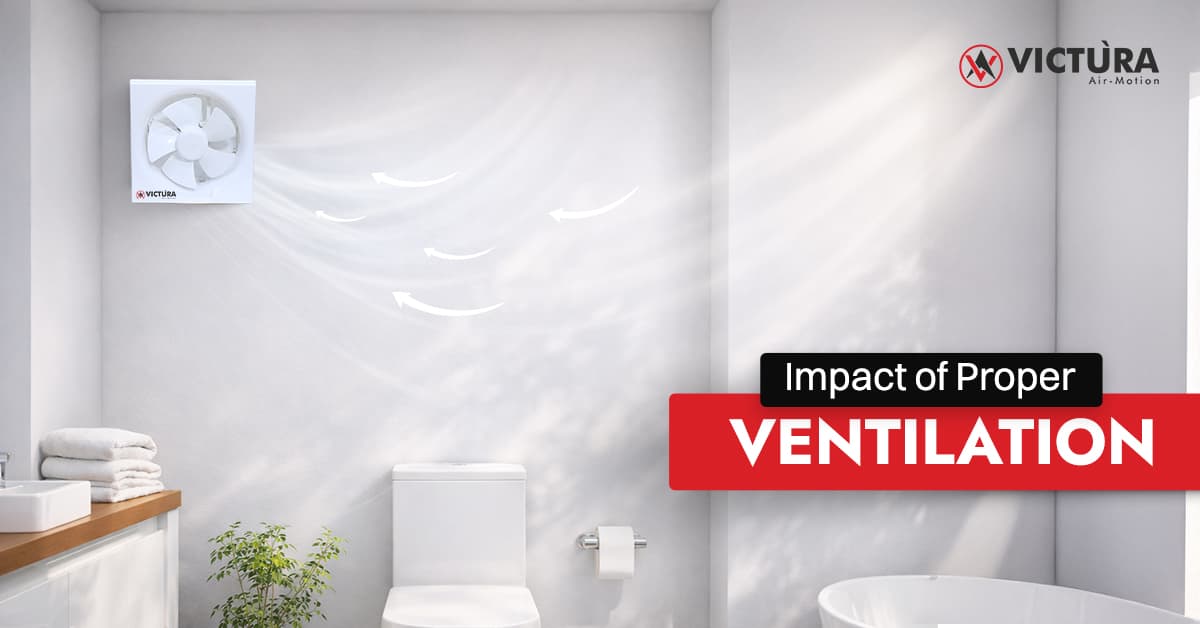
The ventilation fan system removes old indoor air which results in a room that displays increased space and improved air quality. The system proves beneficial for areas that have restricted window access and limited ability to ventilate through open windows.
Each home produces normal everyday smells. Indoor spaces collect odors from cooking activities, bathing routines, laundry operations, pet presence and general household activities. The odors become trapped inside spaces because of inadequate ventilation systems which cause them to remain there for extended periods.
Your kitchen retains the fried food smell because it exists there after your cooking session ends, while your bathroom maintains its damp smell because your home lacks proper air cleaning systems.
The ventilation fan system operates specifically for this function. The system eliminates unwanted odors at their source which results in a cleaner and fresher atmosphere throughout the space.
A bathroom explains its ventilation issues through its physical evidence. The showering process creates continuous foggy conditions for mirrors which last until the mirrors remain operational, while the bathroom surfaces maintain their dampness in addition to their wetness.
Continuous moisture creates damage to paint and fittings and generates unpleasant odors that develop over weeks and months. The bathroom environment creates high levels of humidity which develop naturally. The existing moisture problem remains because airflow does not exist to enable its exit.
Bathroom ventilation fans function as devices that quickly remove humid air from the room. The system provides users with improved comfort after each bathroom visit while simultaneously safeguarding the space from developing moisture problems, which will extend into the future.
The mirrors experience normal fogging after people take hot showers. If you observe condensation on windows and glass doors and other surfaces during morning time or post-cooking times, then your indoor air contains excessive moisture.
Where moisture gets trapped inside a house, airflow is likely insufficient. Ventilation works quietly yet shifts wet indoor air before droplets form where they shouldn’t.
The kitchen serves as the primary source of both moisture and odors within the household.
Cooking produces steam and smoke while releasing heat and oil particles into the surrounding atmosphere.
The trapped air in your kitchen results in sticky and warm conditions that create an uncomfortable environment. The cabinets and walls of your space become greasy because of the buildup that occurs at a rate beyond your anticipated timeline.
The existing ventilation system requires an upgrade because this area shows signs of inadequate airflow. The kitchen ventilation fan functions to eliminate smoke while it decreases airborne grease and enhances cooking comfort.
The system creates an environment that enables easier breathing while it stops families from experiencing the intense heat that develops in kitchens.
Small signs start to show the initial signs. The bathroom ceiling area shows a dark patch. The kitchen corner displays a faint mark. A musty smell exists between the walls and the storage areas.
These signals function as initial alerts that show excessive moisture problems combined with insufficient ventilation issues. The visible mark on the surface can be eliminated through cleaning but the mark will return if the airflow issue persists.
The moisture conditions that create these problems originate from the area that the ventilation fan protects.
The issue becomes less visible but remains detectable at times. Occasionally, the problem isn’t obvious, yet it registers. A subtle presence lingers, just beneath attention. Not loud, never shouting, but they're all the same. Quiet details often escape quick notice. Still, once seen, they refuse to disappear.
A space might appear fine at first glance, yet leave those inside feeling off. Stale air, trapped without movement, often deepens headaches or dull pressure behind the eyes.
Breathing in lingering smells tends to spark irritation, slowly building up. Poor circulation indoors magnifies unease, turning subtle sensations into something harder to ignore.
Fresh air moves more easily when a ventilation fan runs inside tight spaces. This shift helps balance room conditions without relying on open windows.
Not every room needs the same level of airflow support, but some areas benefit greatly from a ventilation fan.
People create steam and humidity inside bathrooms every single day. The ventilation fan removes moisture from the air which later establishes itself on walls, ceilings and mirrors.
Cooking produces smoke and heat together with strong odors. The ventilation fan creates a clearer atmosphere which makes the kitchen space more pleasant to use.
Any room with limited windows or poor natural airflow, such as laundry spaces and wash areas, often holds dampness. The space maintains its dryness and fresh atmosphere because of improved ventilation.
A well-ventilated home supports cleaner indoor air, balanced moisture levels, and steady room temperatures. Signs like dampness lingering after showers, stale smells that won’t fade, visible mildew on walls, uneven warmth between rooms, or a constant feeling of heaviness in the atmosphere often point toward poor airflow across the structure.
Early problem resolution leads to better indoor air quality results and wall and furniture protection from moisture damage and improved human health outcomes. The implementation of better air circulation, proper exhaust system usage and fresh air intake will result in substantial improvements.
A home with a proper ventilation fan like the one Victura Airmotion offers provides residents with improved comfort while establishing an environment that promotes better health and cleanliness.
The signs of poor house ventilation show through five specific indicators which include stuffy air, lingering odours, excessive humidity and window condensation and mold or mildew development. The presence of uneven room temperatures represents another indication that poor airflow exists.
The results that occur from inadequate room ventilation produce multiple negative outcomes. The result of this situation creates stale indoor air which increases humidity and produces unpleasant odors, enabling mold to grow and creating an uncomfortable environment. The system decreases indoor air quality which results in allergy symptoms and respiratory problems.
The ideal time for room ventilation occurs when fresh air enters the space every day at least once. The practice of opening windows throughout the day enables fresh air to enter while it helps decrease both trapped moisture and stale air within the space.
The common mistakes that people make about ventilation lead to particular errors. People make common errors when they maintain closed windows throughout the day. They fail to operate the kitchen and bathroom exhaust systems. They block air vents and neglect to recognize dampness and condensation signs.
The indoor environment creates perfect conditions for mold growth because inadequate ventilation traps moisture within the building. The indoor environment creates perfect conditions for mold growth because inadequate ventilation traps moisture within the building.
The process of ventilation helps to diminish indoor scents according to scientific research. The process of ventilation helps to eliminate indoor odors which come from cooking, damp areas and daily activities by bringing in fresh outdoor air to replace stale indoor air.
Keep moving with bright ideas. From the way air moves to clever home hints, our blog is your place to dive into ease, style, and smart energy use.



-1770294213986-464560530.jpeg&w=2048&q=75)