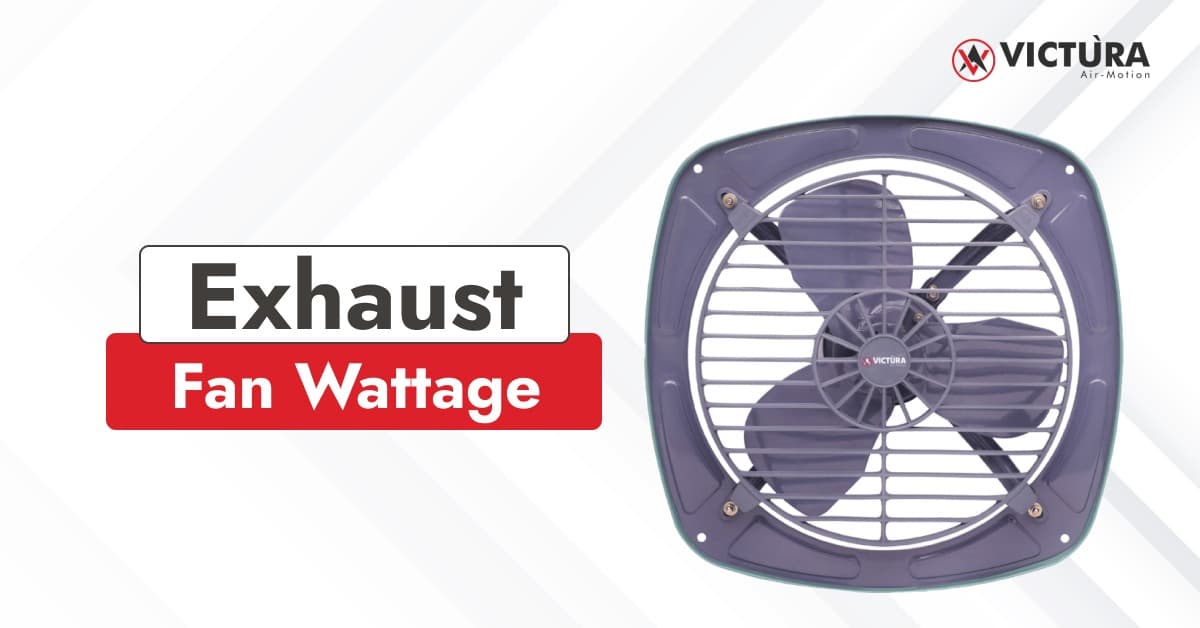
Looking to buy a mini exhaust fan for your apartment? Learn how to choose the right size, CMM, noise level, and features for better ventilation and comfort.
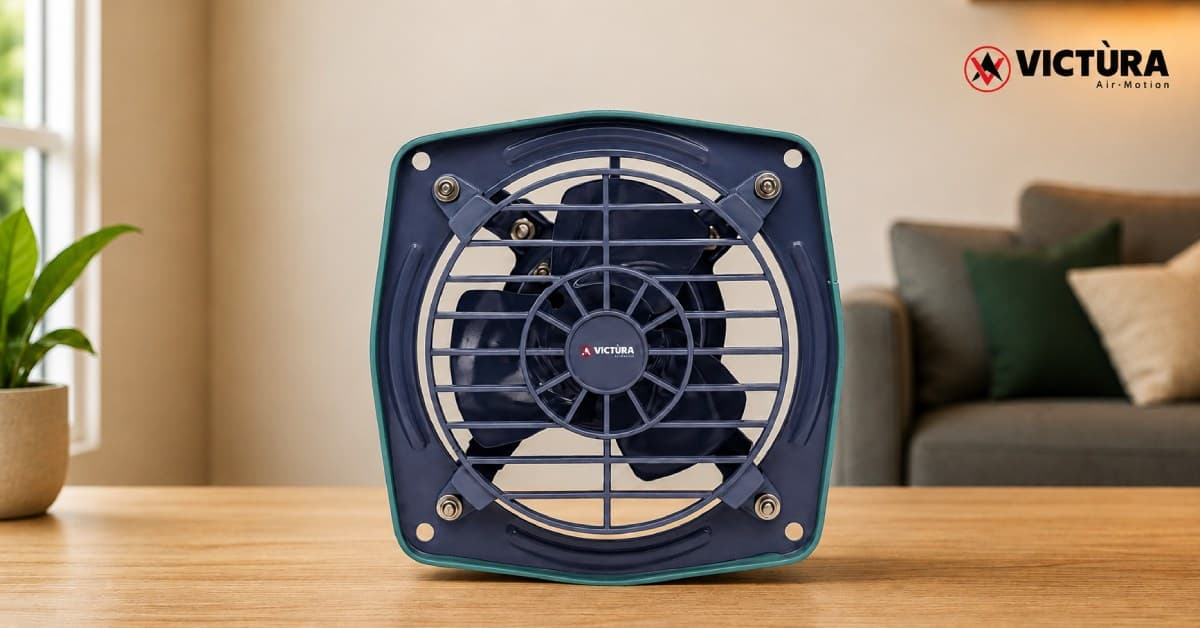
A mini exhaust fan solves one big problem of the modern household. Modern apartments provide limited spatial capacity while residents require proper air circulation throughout their homes.
The presence of inadequate airflow throughout a kitchen, bathroom, or utility space will result in humidity problems, unpleasant smells and permanent damage through mold growth.
The solution to this problem exists in mini exhaust fans. The small devices provide effective air movement solutions that require minimal installation space, making them suitable for use in apartment buildings.
The excessive number of available options makes it difficult to select an appropriate mini exhaust fan. This guide breaks down everything you need to know before making a purchase.
The design of apartments creates restricted airflow throughout all areas but especially in kitchens and bathrooms. A mini exhaust fan helps:
A small fan has the power to create a significant change in your daily experience of home.
Before making a purchase decision for small exhaust fan, customers need to learn about all available product variants.
The most prevalent type of exhaust fan system in apartments operates through installation on external walls which enables direct ventilation of indoor air to the outdoors.
Best for: Kitchens and bathrooms with an exterior wall.
These fans attach to glass windows because they function better than wall-based systems in locations that lack installation ability.
Best for: Rental apartments where drilling walls is restricted.
These fans operate through ceiling installation which connects to duct systems that distribute air outside the building.
Best for: Modern apartments with false ceilings.
These fans remain concealed inside duct systems which makes them operate at lower sound levels than regular fans do.
Best for: Premium apartments or spaces where noise needs to be minimal.
Mini exhaust fans operate between 4-inch and 9-inch dimensions. The right size depends on the room:
Selecting proper dimensions enables proper air movement, which prevents the small exhaust from becoming overloaded.
The airflow capacity measurement is executed through CMM which stands for Cubic Feet per Minute. The bathroom requires a ventilation system that operates between 50 and 100 CMM.
The kitchen needs a ventilation system that operates between 100 and 250 CMM. A small exhaust fan moves air more quickly at higher CMM rates which proves essential for food preparation spaces.
Noise represents a significant problem for apartment residents who occupy compact living areas.
Fans should come with labels that indicate the following attributes:
The fan operates at lower noise levels which provides users with better comfort during nighttime operation.
Mini exhaust fans serve as energy-efficient devices yet users must verify their wattage specifications.
The requirement becomes critical for fans who operate throughout extended periods.
Durability functions as a vital component for maintaining performance throughout lengthy durations.
For bathrooms, always prefer materials that resist rusting.
The design of the blades affects both airflow and noise.
A properly designed blade delivers efficient operation that produces minimal sound.
The installation process of a small exhaust fan needs to be simple for apartments.
The best choice for rental areas involves using methods that do not need property damage for installation.
A good exhaust fan should come with basic safety features:
These features ensure safe and reliable operation over time.
The selection process should begin with choosing the appropriate room because this method leads to optimal device performance and extended product lifespan.
The mini exhaust fan functions as a minor component, but its presence maintains essential comfort and health standards throughout the apartment.
The right selection depends on your particular environment and intended usage, and your decision-making needs which include selecting between silent operation and efficient air movement and power-saving features.
Complete product evaluation requires evaluation of all factors, which include size, airflow, noise level and durability. The mini exhaust fan from Victura Airmotion can become a permanent solution when people make a careful selection because it enhances their daily routines.
The examination requires evaluation of six specific aspects, which include fan dimensions and airflow capacity measured in CMM, sound output, energy use and material composition. The assessment requires evaluation of three installation methods, which include wall and window and ceiling systems, together with the analysis of two safety mechanisms which cover back shutters and thermal protection systems.
The process of sizing requires evaluation of two factors, which include the total room area and its expected use. The bathroom needs 50 to 100 CMM while the kitchen needs 100 to 250 CMM for ventilation purposes, according to the basic rule which matches fan CMM capacity with room dimensions.
The process of selecting an appropriate exhaust fan starts with determining the room function, which includes either kitchen use or bathroom use, followed by determining fan size and required CMM. The bathroom needs low noise levels while the kitchen needs high airflow capacity with materials that resist rust.
The first step in calculating exhaust fan requirements requires the measurement of room volume through the product of Length, Width and Height.
The choice between wall-mounted fans and window exhaust fans depends on their effectiveness for apartment ventilation. The rental apartments benefit from window-mounted fans because they require no wall drilling, while wall-mounted fans provide better direct ventilation.
The exhaust fan requires operation during all time periods of the day. The fan needs to operate during cooking and showering, followed by a 10 to 15 minute period, to ensure complete removal of moisture, odors and stale air from the room.
Keep moving with bright ideas. From the way air moves to clever home hints, our blog is your place to dive into ease, style, and smart energy use.