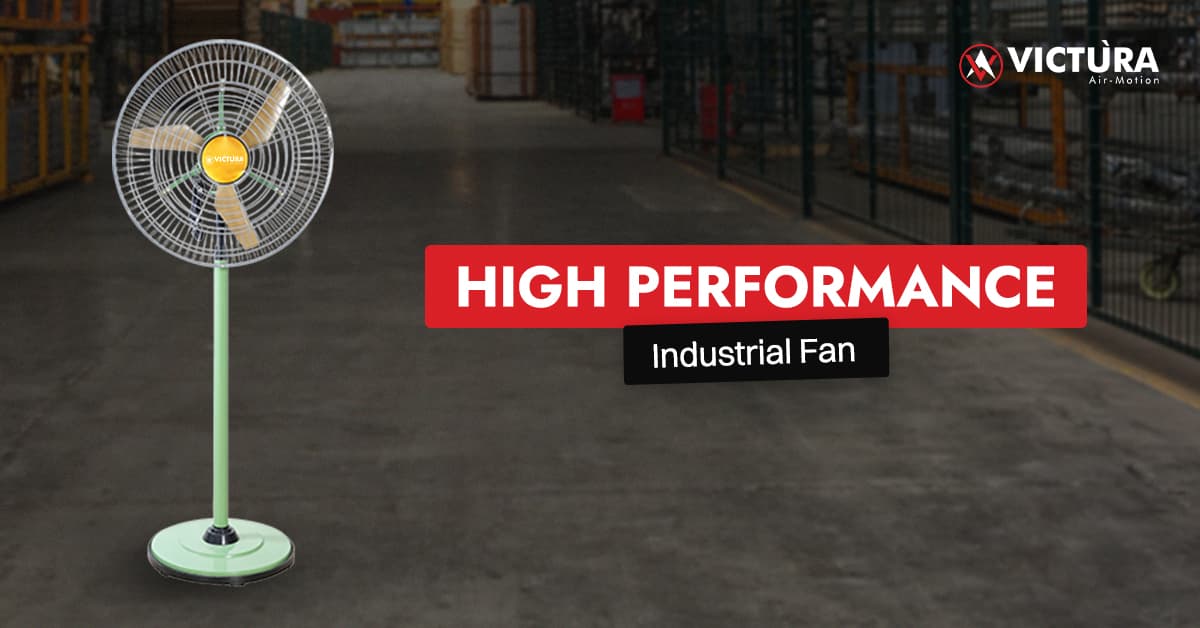
Discover the role of industrial wall fans in metro stations. Learn how they improve airflow, passenger comfort, energy efficiency, and ventilation in high-traffic areas.
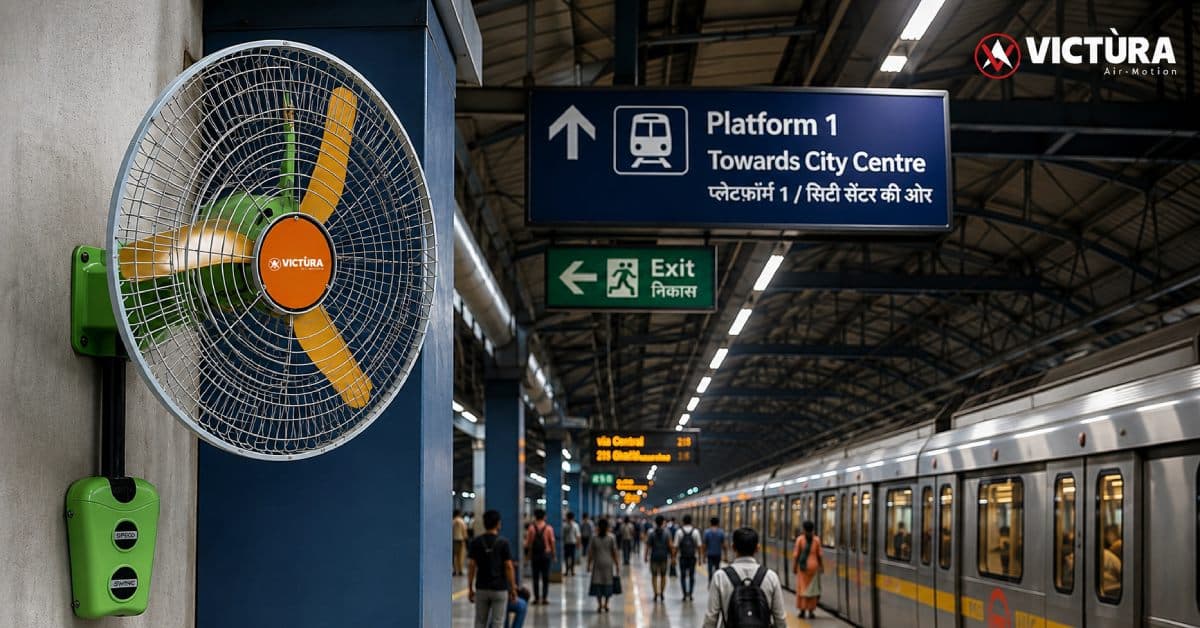
The existence of an industrial wall fan is crucial in a metro station. The large crowds at metros, especially during peak hours, cause extreme levels of heat and sweating. And without proper air circulation, the environment becomes unsuitable.
The active environment creates continuous train noise which combines with other sounds to create a constant soundscape. Airflow creates an essential hidden system that operates beneath all visible movements.
The industrial wall fan operates in this location to create a significant impact. The fans operate as hidden systems that function throughout the day to maintain proper air quality in metro stations.
We will examine the role of these big industrial fans in shaping the daily operations of urban transportation networks.
Metro stations exist as special indoor areas that create their own set of difficulties. The space experiences these main challenges:
Metro stations need more than centralized cooling systems because they operate differently from malls and offices. The system requires additional ventilation solutions such as big industrial fans that need to be long-lasting, energy-saving and able to reach extensive spaces. Industrial wall fan fit perfectly into this requirement.
The design of Metro platforms along with their corridors, creates air stagnation problems which occur when large numbers of people use the space. Industrial wall fan ensures:
The big industrial fans create an air flow pattern that helps to decrease the crowded feeling that people have during peak travel times.
Stations receive heat from brake systems and engine operations whenever trains pass through their entrance or exit. The situation worsens because:
All these elements lead to increased temperature levels inside the station.
Industrial wall fan helps in:
The major obstacle that underground metro stations encounter involves their inability to receive natural air circulation. The air in a space becomes unbreathable when ventilation systems fail to function properly.
Industrial wall fan:
The result establishes a space that provides improved air quality for both passengers and staff members.
Your training includes data that extends until the month of October in the year 2023. People experience cooler temperatures because of moving air even when actual temperatures stay constant. This phenomenon holds particular value for India because its summers reach extreme temperatures.
Industrial fans that people install on walls:
They enhance the complete travel experience for passengers
A packed platform naturally becomes warmer due to body heat. The multiplication effect becomes active during peak hours.
Industrial fans help by:
The system maintains comfortable conditions throughout the space even when there are many people present.
Industrial wall fan achieves its highest performance through correct positioning and operational procedures.
Common Installation Areas:
Why Wall Mounting Works Best:
The elevated position of their fixtures enables airflow to distribute across larger spaces while maintaining unobstructed pathways for commuters.
The Metro system operators designed their system to achieve maximum efficiency both for its operational activities and its financial operations. The system needs to consider energy usage as its main operational requirement.
Industrial wall fan is preferred because it:
The system delivers an affordable answer that lets people stay comfortable in large areas.
The metro system operates its stations almost every hour of the day. The equipment that functions in these environments needs to endure these types of challenges which include
Industrial wall fan is constructed to provide:
The big industrial wall fan maintains its operational capacity because of its strong design which allows it to function under extreme operational circumstances.
Airflow in metro stations provides two functions because it creates comfortable conditions while ensuring passenger safety.
Emergencies that involve smoke accumulation require the following actions:
The heavy duty industrial fan serves its main function as an emergency systems yet they function as a valuable tool that helps manage airflow during critical situations.
The metro system in India operates multiple routes that connect different regions of the country. Industrial wall fan operates efficiently because its design allows it to function in both high-humidity environments and dry heat conditions.
The big industrial wall fan operate without needing protected spaces because their design enables operation in multiple environments. The system's flexible design allows its use in various metro systems that operate throughout the nation.
The design of metro systems focuses mainly on their trains, tracks and their technological aspects. The experience of millions of passengers depends equally on smaller practical solutions that improve their travel experience.
Industrial wall fan operates as a straightforward device that provides solutions for multiple difficulties because they control temperatures and direct airflows, handle crowded spaces and ensure user comfort throughout their operation.
They maintain a proper mix of operational capabilities and performance efficiency which allows travel to remain comfortable as cities develop and public transportation networks grow. Industrial wall fans from Victura Airmotion work to maintain air circulation at all times through their silent, continuous and efficient operation.
The heavy duty industrial fan provides essential airflow which prevents excessive heat accumulation and creates comfortable conditions for people who occupy both public spaces and contained areas.
The system functions as a supplementary air distribution system which requires actual cooling facilities to operate. The system provides ventilation through its air circulation process while decreasing perceived ambient temperature.
The fans get installed on walls throughout platforms, corridors, ticketing areas and areas that connect to stairways to provide complete coverage.
The fans operate at high energy efficiency because they use significantly less electricity than large cooling systems do.
Public spaces, including metro stations, can utilize modern designs because they operate with established noise control measures.
The equipment designed for extended use can operate during most of the day while needing very little upkeep.
Keep moving with bright ideas. From the way air moves to clever home hints, our blog is your place to dive into ease, style, and smart energy use.