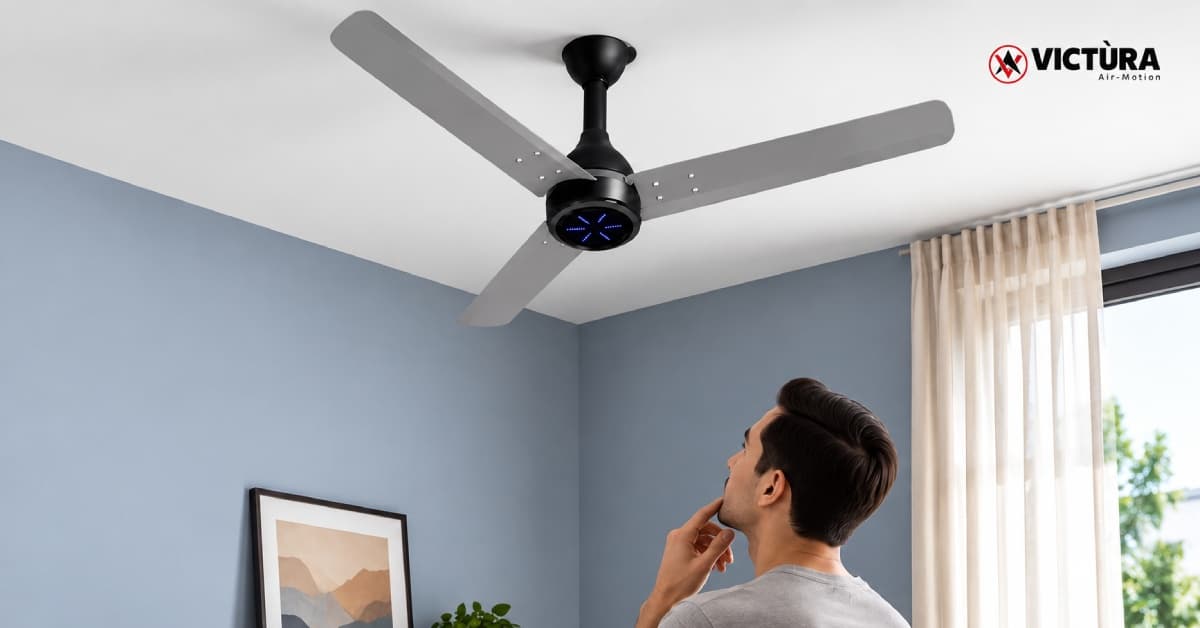
Quiet ceiling fans for hotel rooms and resort villas that deliver smooth airflow, low noise, energy efficiency, and lasting guest comfort.
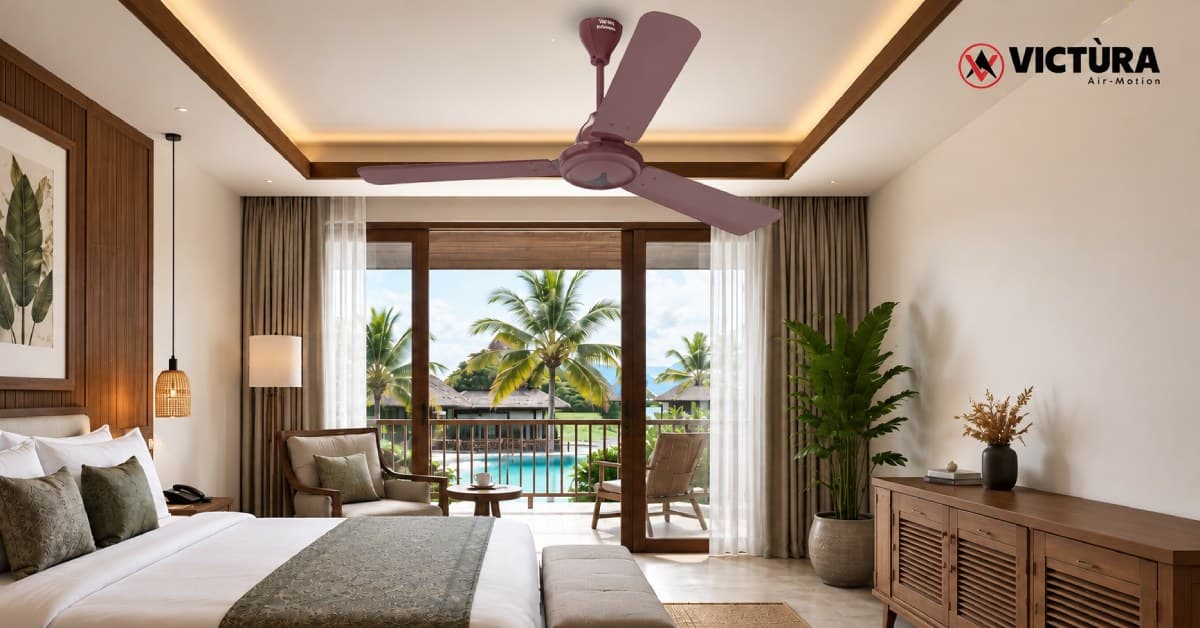
The hospitality design industry establishes genuine comfort through guest experiences, which remain completely unobserved. The absence of noise. The ease of rest. The gentle movement of air feels natural rather than mechanical.
The ceiling fans in hotel rooms and resort villas establish a silent yet essential aspect of this experience. The design elements of a space affect sleep patterns, energy consumption, and the level of tranquility a space provides.
When people select fans with proper consideration, the fans operate as background elements that help people to relax without creating any disturbances. Designing for quiet comfort requires designers to eliminate existing fixtures while developing better guest experiences during their most personal times.
People permit faint fan sounds to operate inside their houses. Hotel guests expect complete silence because hotels advertise this feature.
Guests arrive from multiple locations, including airports, highways, meetings, weddings, and adventures. People need to sleep. The visitor experiences complete disruption from each new sound, which includes the hum, the wobble and the click of a regulator. The noisy fan interrupts sleep because it shows which details were not properly taken care of.
Modern hospitality design uses silence as an essential element that deserves attention through design.
A well-designed fan should:
People experience quiet comfort through their sensory perception because they cannot actually hear it.
The design of hotel rooms creates a difficult problem that needs to be solved. The space needs to accommodate various guests who have different requirements for comfort because it consists of enclosed areas that maintain specific temperature conditions.
The ceiling fans in this space perform three different functions which include the following tasks:
Premium hotels maintain their fan operation at less than maximum capacity because of their need to protect their guests' comfort during their nighttime operations.
The functionality of motors depends on their performance capabilities because motor performance needs to show all of its abilities which can be lost when battery power is used.
The way a guest experiences their stay depends on whether the motor functions through its complete rotation while maintaining blade balance and producing no vibrations.
Resort villas near the beach, forest, and hill locations show increased visibility of fans.
The design of this space enables proper airflow through its architectural elements, which include open balconies, high ceilings and indoor-outdoor layouts. The ceiling fans in this space function as essential components of the environment.
Guests expect:
The space shows dominance of wooden finishes, matte white colors, earthy tones and minimalist designs. The most beautiful fan design fails when it produces rattling sounds in nature's quiet environment.
The silent environment of villas creates an amplified experience of all sounds. The space exists without any city sounds, which could hide its mechanical defects.
The silent comfort technology depends on motor systems as its fundamental component. The hospitality industry has used traditional induction motors for many years because of their reliable performance, but these motors require higher energy usage and produce audible noise at specific speeds, and they create thermal build-up throughout their operating time.
The design of modern motors emphasizes two main objectives, which involve achieving precise engineering results and reducing mechanical friction, and they also need to provide consistent torque motor control, which enables smooth speed changes and they must generate minimal thermal output during extended operational periods.
The hotels that operate their fan systems from 10 to 14 hours each day need to understand that guest comfort results in better equipment performance, extended equipment life, and decreased maintenance requirements, which together help to reduce energy consumption throughout their entire building.
The use of quiet motors results in decreased equipment damage, which leads to fewer maintenance requirements and provides consistent operational output across all areas of the facility.
The design of blades remains unnoticed by guests, yet the results of this design process become apparent to them.
Blades that do not meet proper design standards will produce two negative effects which include:
The system requires perfect balance. The system produces noise and wobbles when even slight balance problems occur during its operation through multiple thousands of hours of usage.
In luxury spaces, customers prefer to experience two specific elements which include slower rotation and broader airflow distribution. The system creates a natural calming effect that resembles a natural breeze more than an artificial machine.
Designing for quiet comfort means recognising that luxury in hospitality is hidden from view through its refined details. A well-designed fan operates silently while delivering continuous support for resting needs, air circulation, and environmental ambiance.
This silent treatment holds essential value because guests in hotel rooms and resort villas search for peaceful spaces to unwind and recuperate. The complete experience depends on every component, from motor efficiency to blade balance and visual harmony.
The intentional selection of fans results in improved sleep quality and decreased energy needs while achieving effortless space enhancement. Effective designs like Victura Airmotion fans create lasting guest impressions that they experience through their feelings of calmness, coolness and uninterrupted time.
Guests experience comfort through their connection with silent environments. The presence of loud fans disrupts sleep, which creates negative effects on the entire guest experience.
Yes. Fans enhance air movement, which decreases the need for air conditioning while maintaining steady comfort at elevated thermostat temperatures.
The best fans for these environments include silent motor systems and blades that operate at greater sizes while delivering uniform airflow throughout high-ceilinged spaces that rely on natural ventilation.
Efficient fans use less energy to cool spaces, which reduces operational expenses when combined with air conditioning systems that serve multiple hotel areas.
The airflow patterns and sound production of a fan depend on its blade design, motor performance, and balance characteristics which affect how people sleep and relax.
The combination of routine inspections and thorough cleaning procedures maintains silent running performance while stopping wobbling issues, which helps equipment to operate effectively in high-demand situations.
Keep moving with bright ideas. From the way air moves to clever home hints, our blog is your place to dive into ease, style, and smart energy use.