Learn why BLDC fans deliver consistent airflow, save electricity, and operate quietly at low speeds, making them ideal for overnight and everyday use.
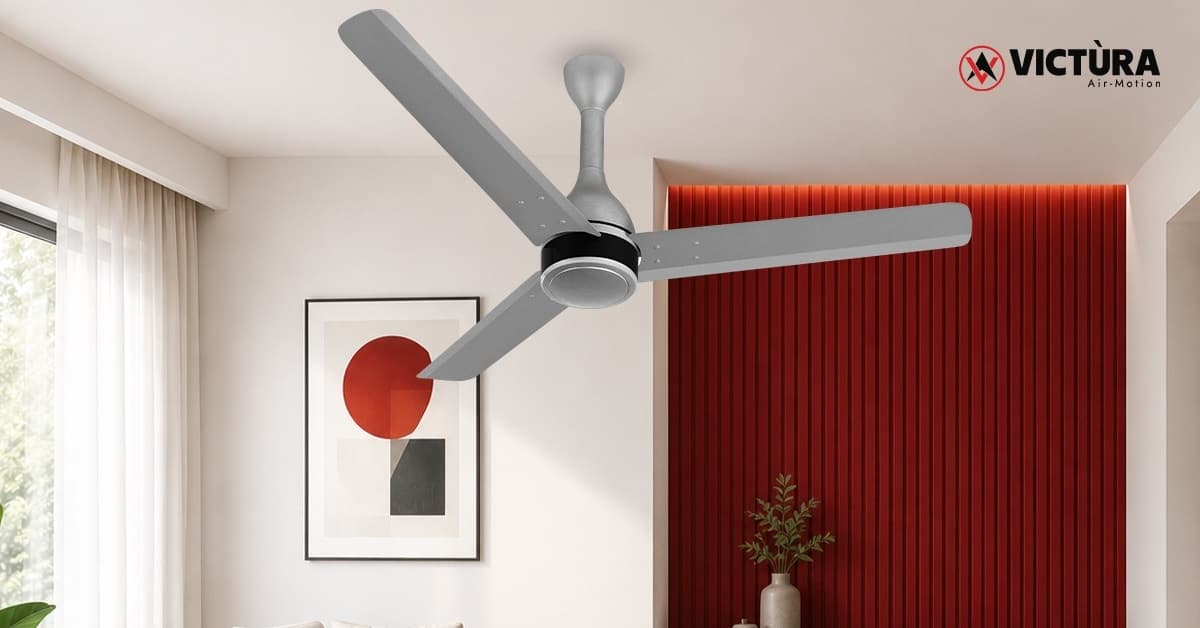
The rising electricity costs combined with growing public knowledge about energy-efficient appliances have made BLDC ceiling fans a popular replacement for standard ceiling fans.
The main question that people ask is about the performance differences between BLDC fans at low speed and the rest of their operating range.
Users especially need low-speed operation because they use their devices during sleep and mild weather conditions and extended periods of continuous operation. BLDC fans operate through a different mechanism than traditional fans which lose their effectiveness when users operate them at reduced speeds.
The research shows how their performance changes at lower speeds which enables consumers to evaluate their comfort needs and energy efficiency requirements and their capacity to use the product over time.
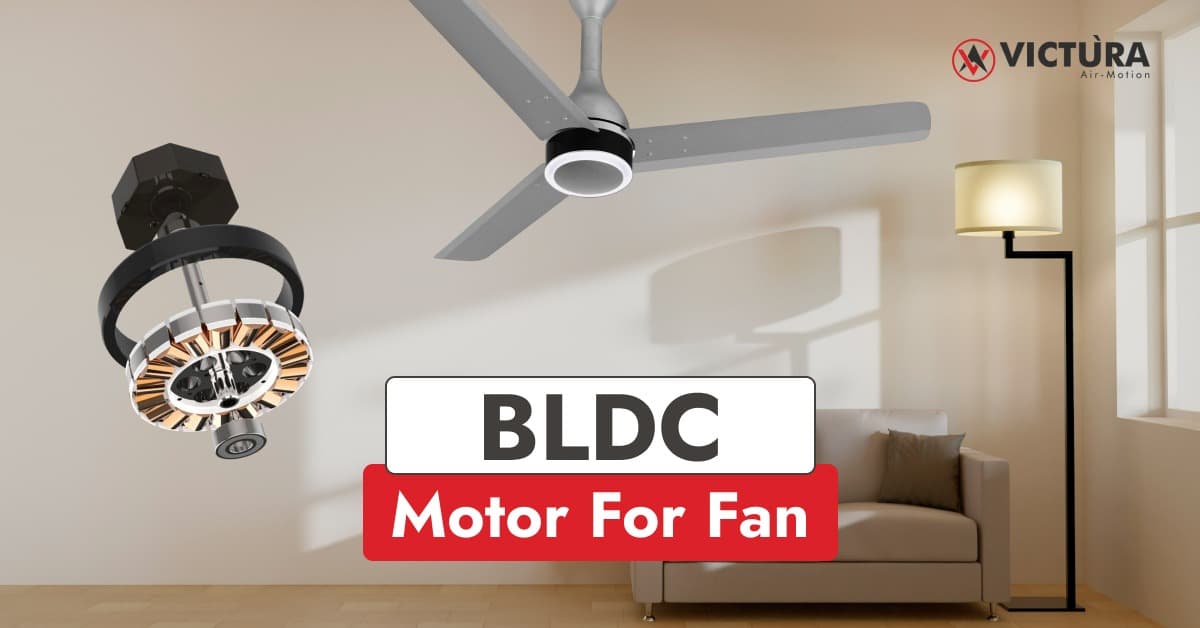
The operation of BLDC fans depends on the function of their electronically controlled motors which replace traditional induction motors. The BLDC motors function by converting AC power into DC through their internal system while their controller handles the power regulation.
The design provides these three operational benefits:
The fan operates in an entirely different manner from standard fan designs which demonstrate their typical behavior at higher speeds.
The operation of traditional fans loses effectiveness because their design requires them to function at low speeds. The fan fails to operate properly because its airflow decreases, while the airflow from the fan decreases.
BLDC fans deliver continuous airflow because their design maintains operational efficiency at low speeds. The motor provides consistent torque to the system without any dependence on its operational speed.
The following results from this process. The fan:
BLDC fans operate with less power because their design requires minimal energy consumption, yet their efficiency remains visible when they operate at low-speed settings.
The following changes occur because the system operates at lower speed settings:
The system enables extended operation of BLDC fans which proves particularly useful during overnight periods.
Low-speed operation of standard fans experiences speed instability which occurs during changes in the electrical power supply. BLDC fans use electronic controllers that actively regulate speed.
BLDC fans provide two benefits, which show that the system:
At low operating speeds regular fans experience higher mechanical and electrical sound emissions because their motors operate at lower efficiency. BLDC fans produce less noise because the system:
This technology enables complete silence during low-speed operation which exceeds the standard definition of “slower” operation.
The primary reason BLDC fans achieve better performance at lower speeds results from their ability to control torque. Induction motors lose torque as speed reduces, which affects airflow and smoothness. BLDC motors maintain torque across a wide speed range, so the fan does not struggle when slowed down.
The technical difference between two systems creates the following user experience:
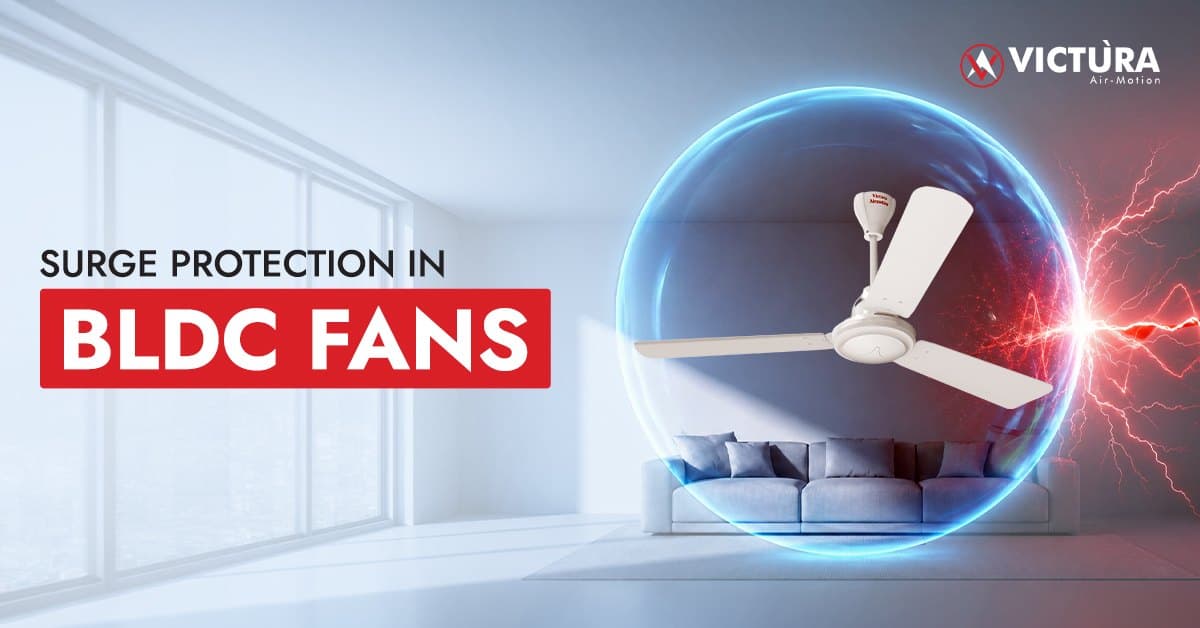
Voltage fluctuations represent a typical electrical problem that affects multiple households. When the voltage drops, standard fans experience performance issues which result in reduced speed and unstable operation.
BLDC fans operate their motors through internal electronic controllers which maintain exact selected speeds despite changes in voltage. Traditional fans display their most significant operational difficulties when performing at lower speed levels.
Many ceiling fans operate for 8–10 hours continuously, especially during sleep. At low speed, BLDC fans consume minimal power while maintaining airflow, making them well-suited for overnight use.
Their quiet operation and reduced heat generation also improve sleep comfort. Conventional fans, when run continuously at low speed, may still consume disproportionately higher power and produce more noise over time.
Motor heat stands as a critical element that impacts fan performance yet lacks proper recognition. Induction motors produce maximum heat output when they operate at their least efficient performance level which occurs during extended periods of extremely low speed operation.
BLDC motors achieve their optimal efficiency performance through their design which enables them to function effectively throughout an extensive range of operational speeds. The decrease in heat production provides two benefits which include enhanced efficiency and extended operational lifespan of motors together with their ability to maintain steady performance.
The BLDC fans deliver excellent performance at low speeds, but users must consider the following factors:
The mentioned factors do not impact daily operations because their effects are balanced by energy-saving benefits that last over time.
BLDC fans operate at low speeds with better performance than standard ceiling fans which lack their design features. The system provides its best performance because it maintains steady airflow and constant speed while consuming minimal electricity during extended operation at low power levels.
BLDC fans operate efficiently with silent performance through power supply variations that occur during inverter use. The higher initial costs of BLDC fans lead to various advantages later on which include improved comfort, reduced energy costs and better operational reliability at lower speed settings.
BLDC fans like Victura Airmotion are built for daily operational performance during low-speed operation, so get yours today!
The BLDC fan operates through its electronically controlled motor system which achieves both efficient operation and consistent performance, whereas the high-speed fan uses its standard induction motor to generate increased airflow but at the expense of greater energy usage.
BLDC fans generate lower energy costs for users while maintaining constant operational speed, producing less sound and delivering superior performance with inverter power and achieving improved efficiency throughout their entire speed range.
Yes. The fan operates at low speed which enhances comfort while decreasing sound levels and reducing power consumption throughout extended periods of use that include nighttime operations.
Yes. The power usage of a fan decreases when it operates at an extended lower speed which results in a greater power reduction that occurs with BLDC fans.
A BLDC fan motor operates for a duration that exceeds typical motor operational time because it produces less heat and suffers from less mechanical damage.
The main limitations of BLDC motors are that they need a costly initial investment and that their electronic components require specialized repair work when problems occur.
Keep moving with bright ideas. From the way air moves to clever home hints, our blog is your place to dive into ease, style, and smart energy use.