Learn why motor quality matters in ceiling fans, from copper windings to BLDC technology, for better performance and longer life.
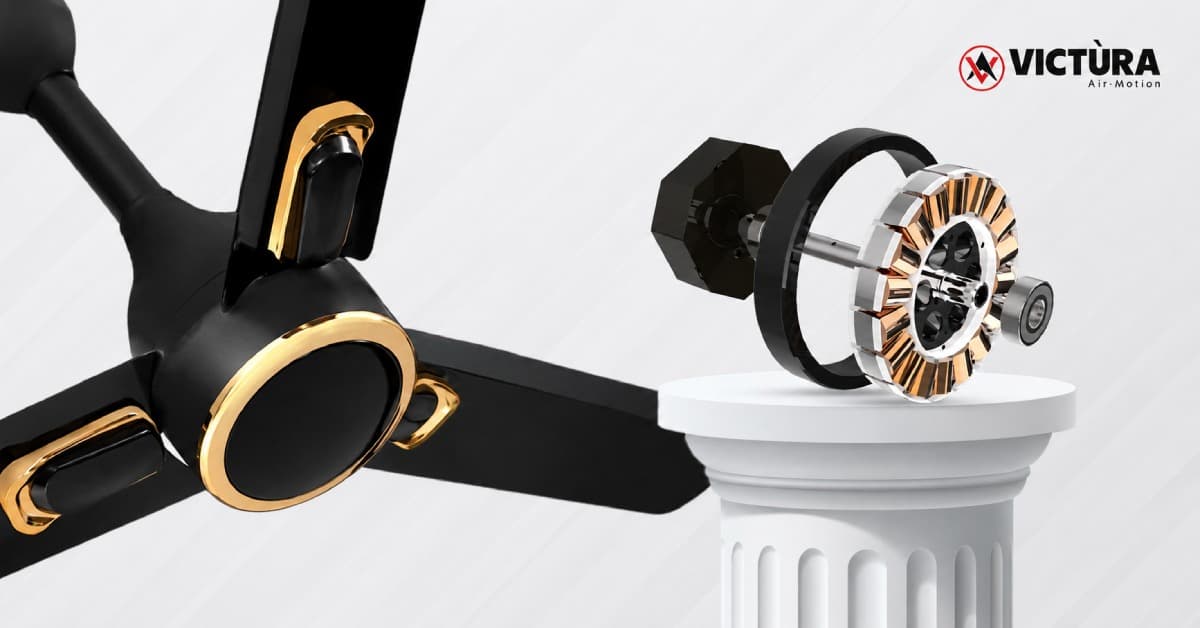
The ceiling fan appears to be a basic device yet its operation depends on an essential element that remains concealed within the fan's motor. The fan blades control the airflow pattern while the fan design provides aesthetic value, but it is the motor mechanism that determines the fan's operational lifespan.
Indian households use fans continuously, which creates a need for reliable motor performance that can withstand extended operation during hot weather and high humidity, power outages and electrical voltage changes. A well-constructed motor system provides silent operation with constant rotational speed and reduced energy usage throughout its operating life.
The importance of motor quality becomes clear through its impact on your ability to select a ceiling fan that delivers continuous comfort throughout its entire lifespan.
At a fundamental level, the motor functions by transforming electrical power into mechanical movement. The ceiling fan motor performs additional functions beyond its basic operation:
Every flaw in motor construction becomes evident during normal operation. Motor quality exists beyond technical aspects because it influences real-world experiences.
The choice of winding material stands as the primary element that determines the quality of engine performance. Copper windings produce greater weight and higher costs, yet they deliver superior electrical conductivity, which results in reduced power loss.
The products operate at advanced efficiency levels while maintaining lower heat output and achieving extended operational lifespan during nonstop function.
The practice of using aluminium windings as a cost-saving measure results in faster heat buildup together with gradual efficiency loss throughout their operational lifetime. The motor consumes additional electricity because of rising resistance, which prevents it from maintaining its original performance level.
The choice you make about this specific option determines whether your fan will continue to operate at its optimal efficiency for multiple years or transform into a device that consumes excessive electrical power.
Every motor produces heat. The question is how well it manages it.
The heat dissipation process becomes difficult for low-quality motors. The heat that builds up over time causes insulation damage, winding loss and lubrication failure. The system experiences decreased speed and produces humming sounds which lead to final motor breakdown.
High-quality motors are designed with:
The motor operates at lower temperatures throughout the summer while maintaining its efficiency for extended periods.
The sound that hums quietly during nighttime hours and the wobbling motion that creates unbalanced fan operation both point to motor problems. The equipment experiences motor-related problems that produce these two effects.
Low-grade motors suffer from:
Vibration produces sound which leads to internal component loosening and mounting system stress and a reduction of fan operational time.
A motor achieves smooth performance through precise engineering methods which create its high-quality design. The silence you experience exists because better materials and tighter tolerances, together with thoughtful design, create this effect.
Many people associate energy efficiency with star ratings alone. But the motor is what makes those ratings meaningful in real life.
An efficient motor:
Over years of daily use, even small differences in motor efficiency translate into significant electricity savings. The cheaper fan with the poor motor requires less money to buy but results in higher power costs each month.
In many homes, voltage fluctuations create unstable electrical power. People experience sudden voltage drops and voltage spikes together with inverter operation as common elements of their daily routine.
Low-quality motors operate under these environmental conditions. The machines experience power slowdowns which result in overheating and accelerated component wear because they do not receive a proper power supply.
The design of high-quality motors enables them to adjust to different operating conditions. The system maintains constant operational efficiency while safeguarding its internal parts and restoring capabilities after power failures. This resilience is a major reason premium fans last longer with fewer complaints.
The motor remains hidden from view yet you can still make proper decisions:
The motor quality information shows more value through these indicators than through eye-catching blade designs and promotional statements.
The motor quality of ceiling fans determines their operational lifespan because this aspect functions as the foundation for their performance. A dependable motor maintains silent operation while it manages temperature changes, electrical fluctuations and routine usage wear without performance degradation.
The result of this system operates throughout its lifespan to deliver constant comfort while reducing repair needs and energy expenses. Your initial attraction to a fan design will fade away as you experience its motor performance over time.
The selection of a fan with an excellent motor creates a choice that delivers practical advantages, long-lasting strength and complete safety. Your comfort protection requires a strong BLDC copper motor like the ones in Victura Airmotion fans.
The best motor type for ceiling fans operates through BLDC technology. The system uses less power while producing less noise and generating less thermal output and it maintains better performance across varying voltage levels which makes it suitable for continuous operation purposes.
The lifespan of BLDC motors extends for multiple decades. A good-quality BLDC motor can last 10–15 years or more with minimal performance drop. The components of the system experience less wear because they generate lower heat levels.
The motor of a ceiling fan cannot be replaced by itself. The practice of motor replacement needs extensive rewiring work, together with complete system calibration which makes it safer to install a new fan unit.
The quality of motors has a direct impact on the amount of electricity that they consume. High-quality motors convert more power into airflow instead of heat, resulting in lower wattage usage and reduced electricity bills over long-term use.
Ceiling fans develop noise problems because of two main issues which are insufficient motor balancing, damaged bearings and motor overheating. Higher-quality motors are engineered to minimise vibration and remain quiet for years.
The motor quality of fans with higher price tags does not guarantee better performance. Pricing demonstrates the product's design and brand image. The motor quality assessment requires examination of three elements which are motor specifications, energy efficiency data, and warranty information. Price alone fails to provide an accurate assessment of motor quality.
Keep moving with bright ideas. From the way air moves to clever home hints, our blog is your place to dive into ease, style, and smart energy use.